Taxonomy branches
Animals
Animalia
Species
420
Media
1922
Subcategories
9
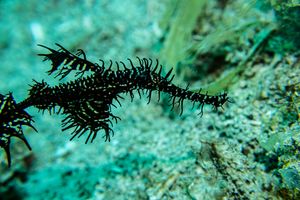
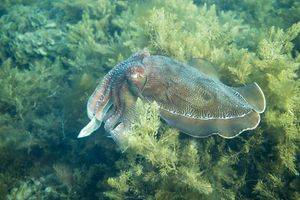
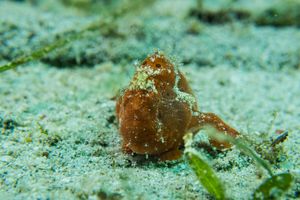
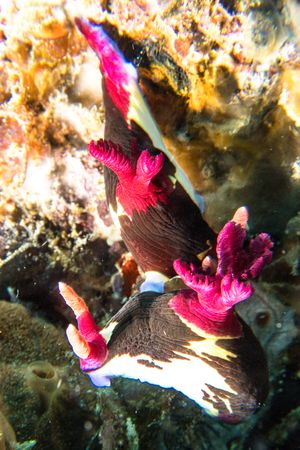
Animals are multicellular, eukaryotic organisms comprising the biological kingdom Animalia. With few exceptions, animals consume organic material, breathe oxygen, have myocytes and are able to move, can reproduce sexually, and grow from a hollow sphere of cells, the blastula, during embryonic development. Animals form a clade, meaning that they arose from a single common ancestor. Over 1.5 million living animal species have been described, of which around 1.05 million are insects, over 85,000 are molluscs, and around 65,000 are vertebrates. It has been estimated there are as many as 7.77 million animal species on Earth. Animal body lengths range from 8.5 μm (0.00033 in) to 33.6 m (110 ft). They have complex ecologies and interactions with each other and their environments, forming intricate food webs. The scientific study of animals is known as zoology, and the study of animal behaviour is known as ethology.
Archive highlights
Most media in this gallery
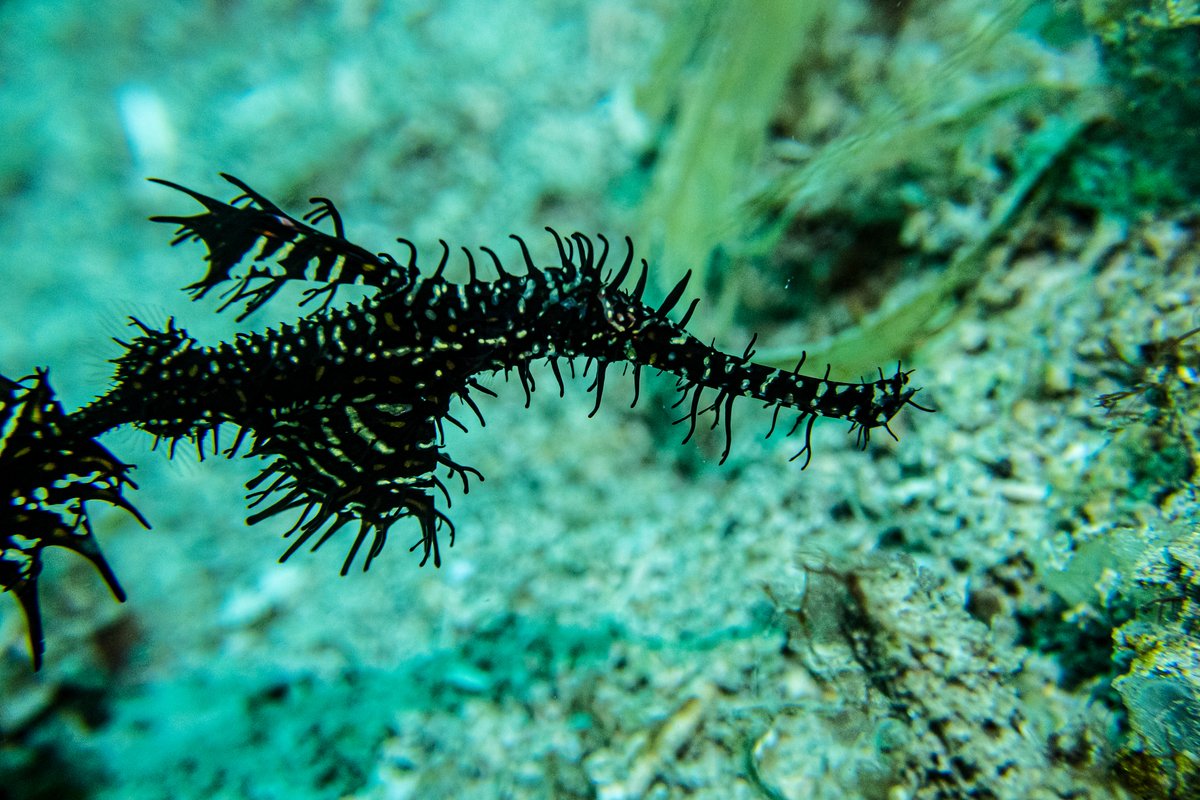
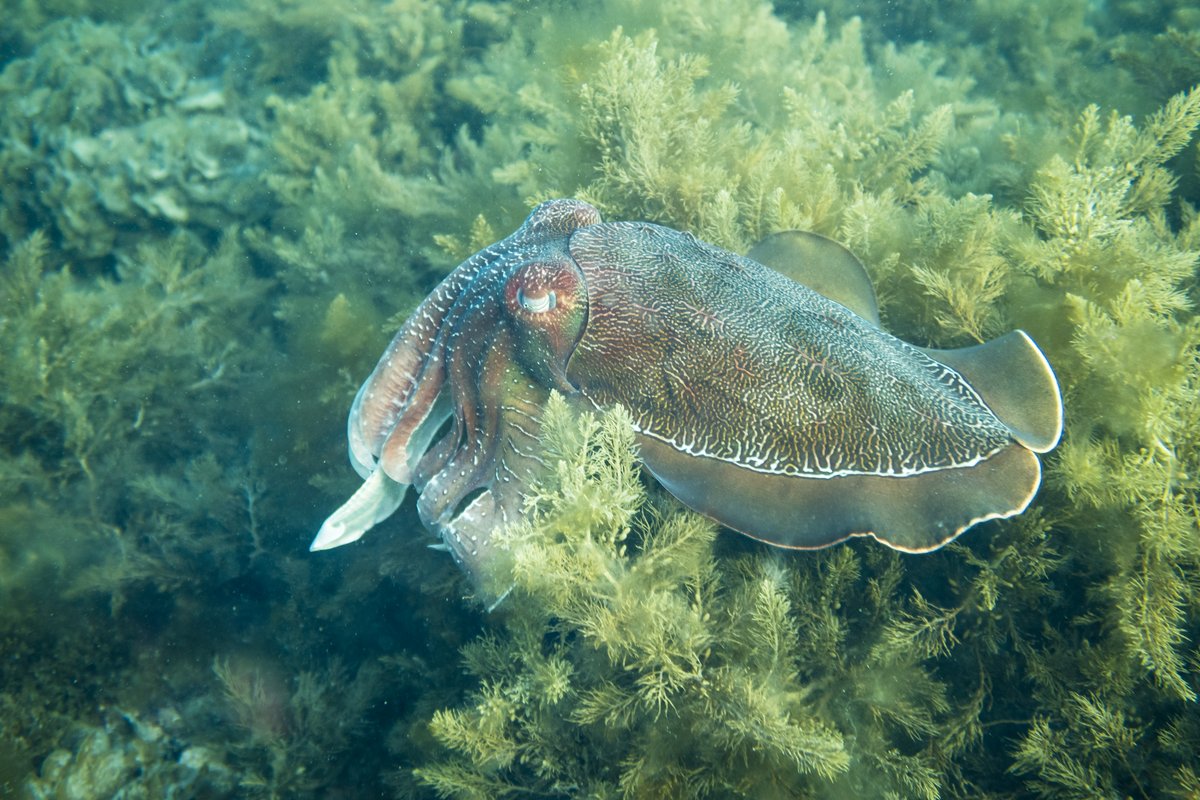
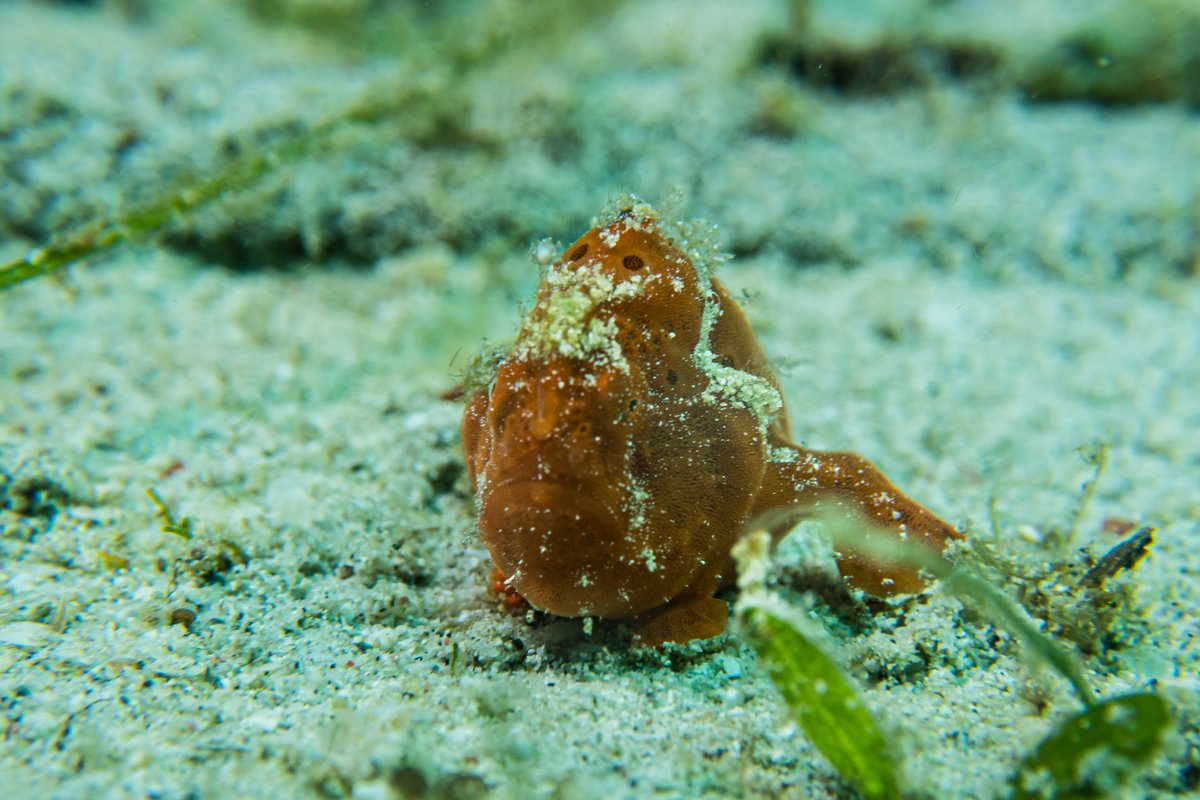
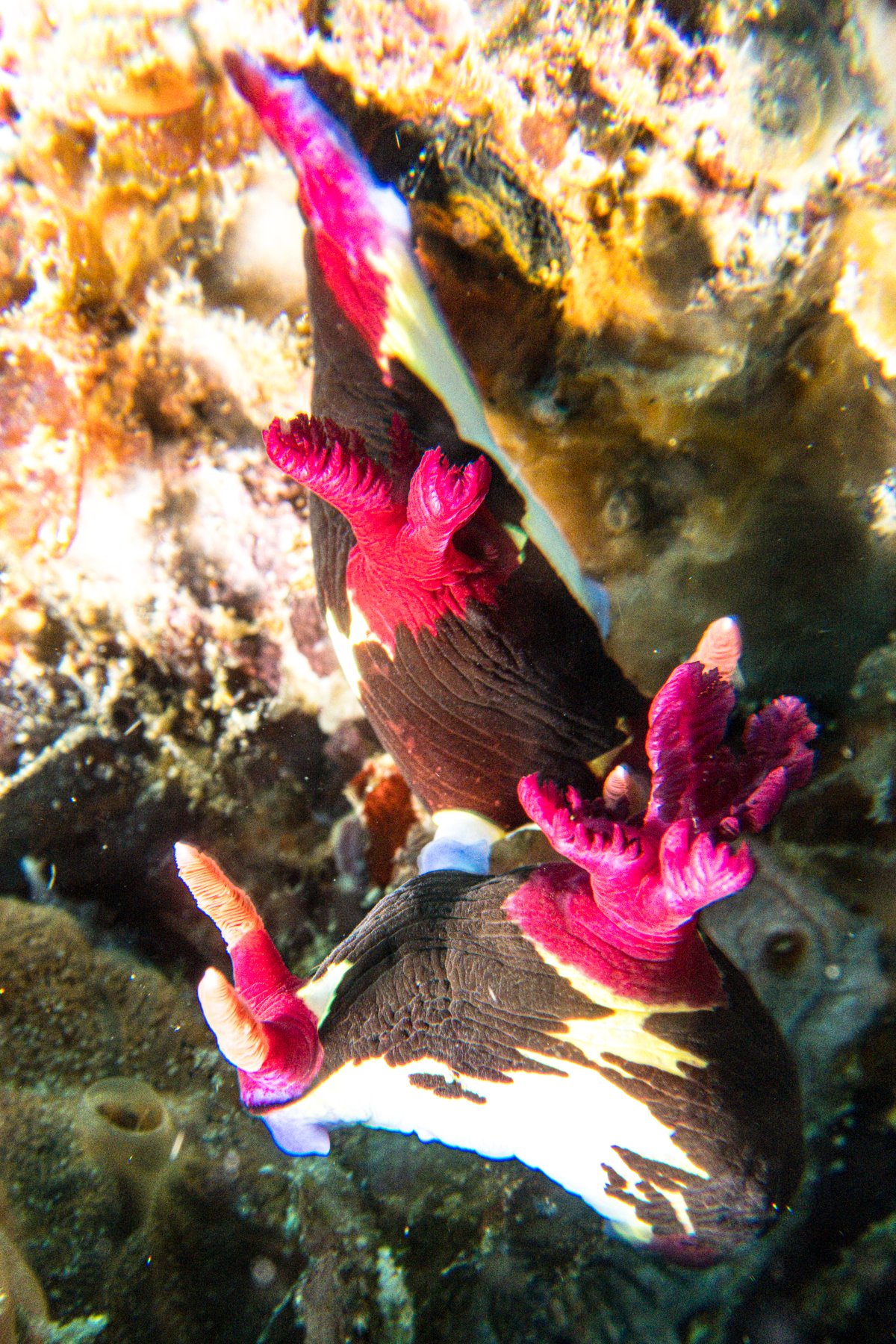
Species with the most media in this branch of the archive.
Browse branches
Subcategories
Larger branches appear first, with each card labelled by its taxonomic rank.
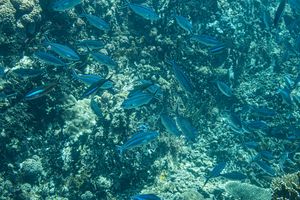
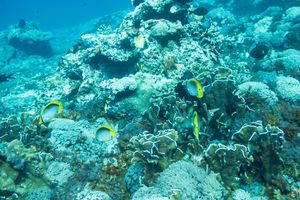
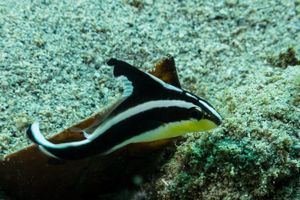
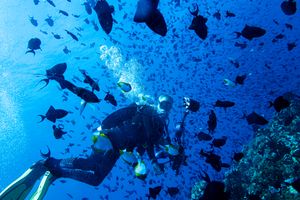
phylum177 species
Chordates
Chordata
792 media itemsExplore
phylum151 species
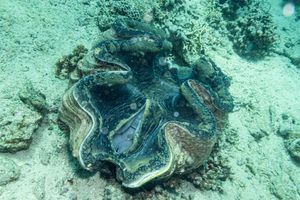
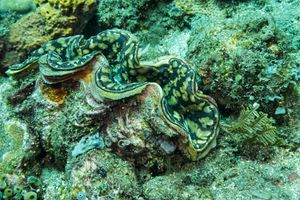
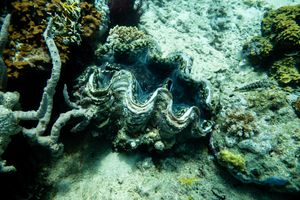
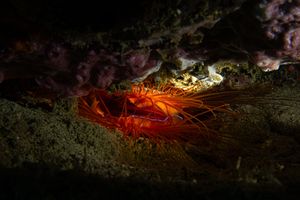
Mollusks
Mollusca
840 media itemsExplore
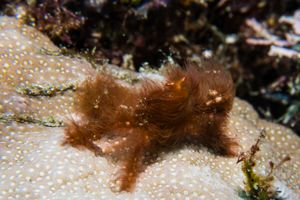
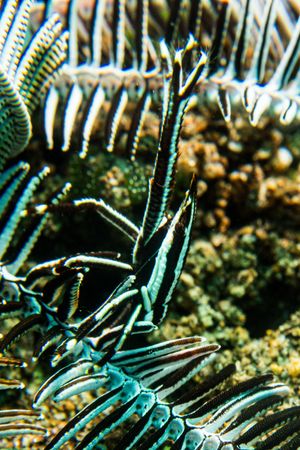
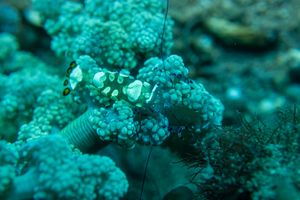
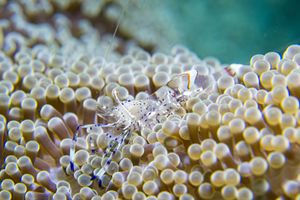
phylum37 species
Arthropods
Arthropoda
145 media itemsExplore
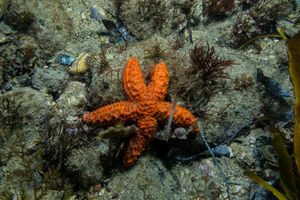
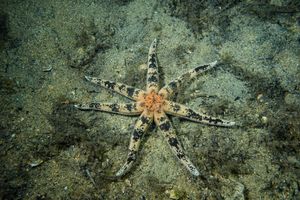
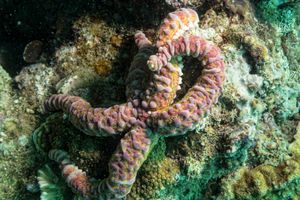
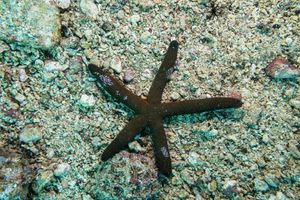
phylum23 species
Echinoderms
Echinodermata
62 media itemsExplore
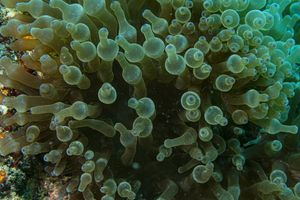
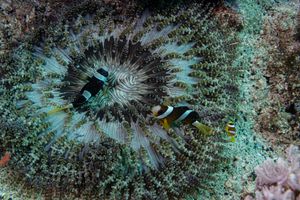
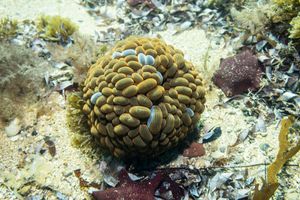
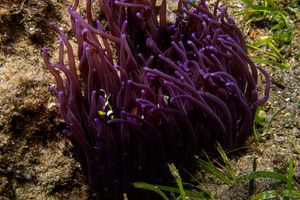
phylum19 species
Cnidarians
Cnidaria
44 media itemsExplore
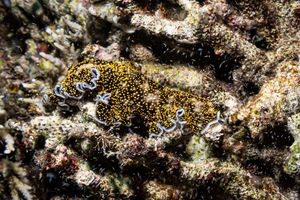
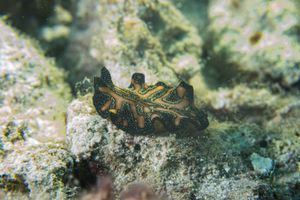
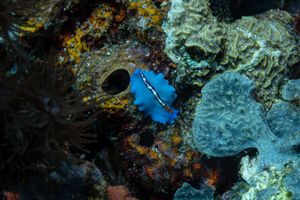
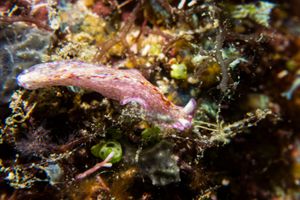
phylum7 species
Flatworms
Platyhelminthes
21 media itemsExplore
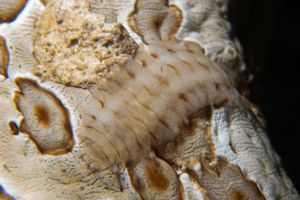
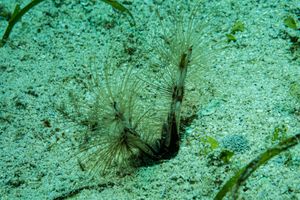
phylum3 species
Segmented Worms
Annelida
7 media itemsExplore
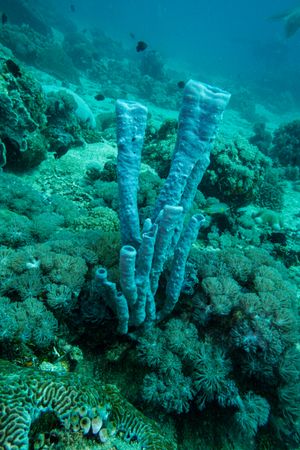
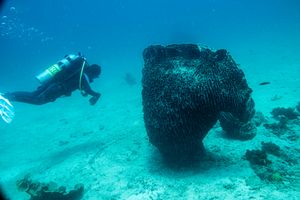
phylum2 species
Sponges
Porifera
9 media itemsExplore
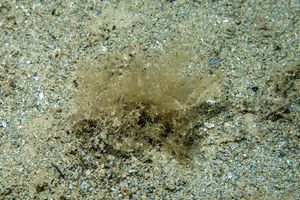
phylum1 species
Bryozoans
Bryozoa
2 media itemsExplore